
Who are ya?
The wisdom of football chants and pine trees.

Thick, sticky, a bit of a mess. Football is like Marmite. Much-adored by many and utterly loathed by just as many (often the long-suffering partners of Team Love), one could argue that football, like Marmite, is a by-product of beer. Both love to commemorate The Queen too.
I have attended two football games in my life. The first was during the Olympics with someone I was working with in the Athletes’ Village. It was a boring match on anyone’s terms (0-0 at full time) but my colleague whisked me off to J Sheekey for a slap-up dinner afterwards so not all was lost. The other game was too dull to write about.
I’ve always found football culture bizarre, amusing and mildly fascinating, including the chanting and particularly WHO ARE YA? which, according to the internet, is ‘a rhetorical question asking the other, lowly team to justify their presence at a match or level they don't deserve to play at’. It’s so basic and childish that it’s funny. But is it basic? Or does this chant offer an intelligent and interesting philosophical springboard for self-enquiry? Yes. Yes, it does.
‘Who are you?’ – have you asked yourself recently? Perhaps not because it’s somewhat confronting and a bit trite. It’s also a useful question to sit with from time to time.
I’ll share an exercise that I’ve practised a few times over the years during various workshops, retreats and most recently a breathwork training:
Sit opposite someone, look them in the eye and ask the question, ‘Who are you?’ After they answer, ask them again. And again. And again. Rapid rounds. The timer is set for two minutes, or longer if you’re cruel. Deep listening, good eye contact and minimal laughter = imperative. Ask the same question continuously before switching roles.
The answers are usually pretty surface-level until the person runs out of things to say and pauses. Cue some umming and erring as they long for the timer bell to ding. Then there’s usually a kind of surrendering – they dig deeper and unearth the treasure. Things they didn’t expect to surface. Buried definitions. Forgotten fragments of self, underpinned by vulnerability, surprise and nuance.
It’s a simple exercise that reveals a lot, both by the act of receiving as well as sharing. The facial expressions and body language alone speak volumes. Witnessing another human peel off their onion layers is powerful, as is hearing yourself speak and sensing how it feels to do so.
Sharing and receiving: that’s all we’re really doing in life anyway. Input, output. Inhale, exhale. What we choose to absorb and express defines much of who we are. We can’t control what happens to us but we can decide how we respond. Actions are a living form of identity, from the way we talk to ourselves to how we treat others.
Defining who you are is empowering because no one else can do it. People will have their perceptions of you – whether it’s a one-off acquaintance or a family member – and they are just that: perceptions. Those are not who you are. You are the creator, the designer, of your existence. What a responsibility! How daunting!
Daunting because we might not like who we are. Imperfection is inevitable and yet it’s still difficult to accept our flaws and the past actions we’re not proud of because we don’t want to be defined by them. Self-forgiveness offers a way out of victimhood, though. In fact, it’s the only way through. We have everything we need to write our own dictionary (which will forever shift, grow and change, by the way). We can all heal and upgrade by making better choices – for ourselves and the collective.
So who am I?
I’m a facilitator of transformative practices like yoga, breathwork and sound healing. I am also…
(noun): writer, editor, sister, daughter, friend, traveller, dancer
(verb): adapting, changing, refining, regulating, sharing, receiving, loving
(adj.): organic, flawed, curious, seasonal, cyclical, playful
+ so much more. Sit me in front of someone and I’ll dig.
And who are ya you?
However you define yourself, do remember that, like the rest of nature, you are meant to change. (Some people in your life won’t like this.) You are wonky like fruit from the tree. You exist to evolve. Anyone who tells you otherwise is resisting the law of living.
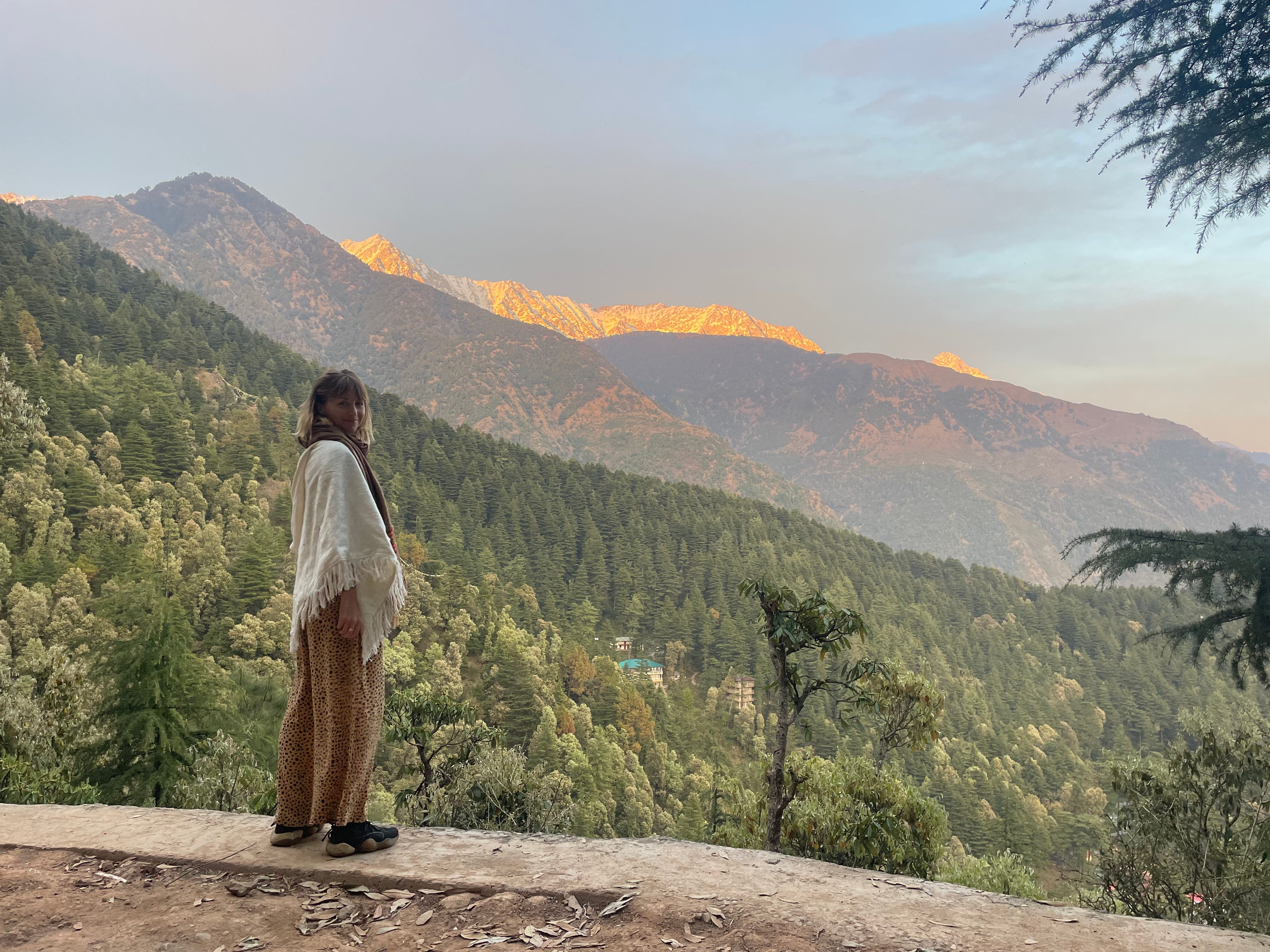
We’re not so different from those magnificent pines in the photo above – we too are gradually rising sunwards, only with far less resilience and wisdom. Yes, if we’re doing it right, being human is a humbling experience, so we bow down to the wise trees, make peace with our mess, do our best to be better and thank football for the introspection.
That might be the first and last time I’ll thank the game, sarcastically or otherwise.
*Blows whistle*